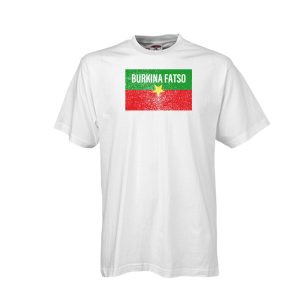
Welcome to Burkina Fatso, a country that doesn’t exist, but probably should. Somewhere between West African geography, linguistic mischief and an unhealthy appetite for dessert lies a nation that has gained considerably more weight without gaining a single square kilometre. All it took was one innocent letter. Burkina Faso became Burkina Fatso, and suddenly the world’s atlases needed a larger waistband. The original name, Burkina Faso, translates roughly as Land of Upright People. A noble name for a proud West African nation. But in the wonderfully distorted universe of Poeha, even the most respectable geographical names are vulnerable to verbal vandalism. Add a T and the upright people become slightly more rounded. Perhaps not quite as upright after their third helping of chocolate mousse. No offence intended to the real country or its people. Our target is considerably closer to home: humanity’s obsession with getting bigger. Bigger cars, bigger houses, bigger portions, bigger egos. Even our smartphones have become too large for our pockets. So why shouldn’t a country join the expansion programme? Burkina Fatso is geography with a belly, cartography with a calorie count and a perfectly unnecessary addition to the world’s collection of national identities. One little T, one enormous misunderstanding.
The real Burkina Faso is a landlocked country in West Africa, with Ouagadougou as its wonderfully musical capital. Try saying Ouagadougou three times after a generous Sunday lunch. It sounds like a dance move invented by someone who has lost control of their hips. The country adopted its present name in 1984, replacing the colonial name Upper Volta. Burkina Faso combines words from different local languages and expresses dignity, integrity and national pride. Quite a remarkable achievement for a name. Most countries simply identify a territory. Burkina Faso actually makes a moral statement. Burkina Fatso, on the other hand, makes a nutritional one. Imagine the alternative national motto: Land of the Upright People, Slightly Bent Over After Dinner. Its imaginary national anthem would require a brass band, a second helping and an extended intermission for digestion. The Ministry of Health would be permanently at war with the Ministry of Pastries. The national airline would charge extra for hand luggage but offer complimentary cheesecake. And the annual presidential address would end with the reassuring words: “My fellow citizens, there is always room for more.” An entirely fictional republic, naturally. No diplomatic recognition required. Just a respectable name, a mischievous mind and the courage to take language somewhere it was never intended to go.
Let’s examine the real troublemaker: FATSO. A wonderfully blunt little word. Short, round, almost cartoonish. It sounds like something that should bounce when dropped. Historically, fatso has been used as a teasing, often insulting nickname for an overweight person. Not exactly a compliment, and certainly not something we’d recommend shouting across a crowded restaurant. But words have personalities, and FATSO has an especially ridiculous one. Think of the enormous appetites of cartoon characters or the cheerful excesses of Obelix, who never needed a gym membership to carry a menhir. The joke becomes richer when you consider modern society’s peculiar relationship with body size. We celebrate enormous burgers, gigantic milkshakes and all-you-can-eat buffets, then spend fortunes on slimming products, calorie-counting apps and gym subscriptions. First we supersize everything. Then we pay somebody to make us smaller. A business model of magnificent stupidity. Meanwhile, the food industry sells us happiness in family-sized packages while the fitness industry sells us guilt in monthly instalments. Burkina Fatso takes no position on your waistline. The only thing we’re interested in making bigger is the joke. Because sometimes the biggest thing in the room isn’t somebody’s stomach, but somebody else’s ego.
Every respectable country needs a flag. Preferably one that can be recognised from a distance, waved during football matches and reproduced badly on cheap souvenirs. Fortunately, Burkina Faso already has a beautiful one: two horizontal stripes, red and green, with a yellow five-pointed star in the centre. The colours carry genuine historical meaning. Red is associated with revolutionary struggle, green with agricultural abundance and hope, while the yellow star represents revolutionary guidance. Certainly more meaningful than most corporate logos produced after six months of expensive brainstorming. For Burkina Fatso, we’ve borrowed the visual language and committed the smallest possible act of typographical sabotage. The colours remain. The star stays. Only the name has been given an extra helping. There’s something beautifully subversive about this approach. No elaborate illustration, no screaming slogan, no desperate attempt to explain the joke. Just a familiar flag with an unfamiliar name. It’s the visual equivalent of someone turning up at a diplomatic reception wearing slippers. Everything appears perfectly normal until you look again. And that second glance is exactly what makes a good graphic T-shirt work. No borders have been moved. No governments have fallen. Only one letter has been added. The consequences, naturally, are enormous.
If Burkina Fatso existed, it would surely become the world’s leading consumer society. Its economic policy would be straightforward: consume more today than you did yesterday, preferably before breakfast. Gross Domestic Product would be replaced by Gross Domestic Portion. Inflation would be measured by the increasing size of restaurant plates, and the national bank would issue credit cards with expandable limits. The country’s most prestigious university would offer degrees in Applied Gluttony, Advanced Snacking and Strategic Buffet Management. Its national sporting event? The marathon lunch, naturally, with competitors disqualified for leaving the table prematurely. Ridiculous? Perhaps. But consider our actual world. We produce more food than ever, throw away staggering quantities of it and simultaneously spend billions trying to control our appetites. Supermarkets encourage us to buy three products when we only need one. Restaurants advertise portions large enough to feed a small village. And marketing departments have perfected the art of convincing us that happiness is always available in a larger size. In Burkina Fatso, at least, the absurdity would be official government policy. Elsewhere, we simply call it economic growth. Maybe the fictional republic isn’t quite as fictional as we’d like to believe. It might just be an exaggerated reflection of our own magnificent excesses, complete with a national flag and complimentary dessert.
There’s a reason why simple geographical wordplay can be refreshing. We live in an age when almost everything demands an explanation, a disclaimer, a strategic purpose or an official statement. Companies have missions. Influencers have personal brands. Sandwiches have stories. Even mineral water apparently needs a philosophy. Meanwhile, humour is increasingly treated as a dangerous substance requiring protective clothing and professional supervision. At Poeha, we prefer a different approach: be critical, but smile. The world is already full of serious people doing serious things with serious expressions. We don’t necessarily need more of them. We need people who can recognise absurdity, enjoy a clever linguistic accident and occasionally laugh at themselves. Burkina Fatso belongs to a long tradition of comic geography, imaginary nations and deliberately distorted place names. It’s the sort of joke that could have fitted into a Monty Python sketch, where an international summit collapses because one delegate cannot stop discussing the buffet. There’s something satisfying about humour that requires a little knowledge. You have to recognise Burkina Faso before Burkina Fatso makes sense. Recognition, confusion, realisation, smile. Four stages of enlightenment, accomplished without a self-help book. And unlike motivational slogans telling us to dream bigger and become better versions of ourselves, this shirt asks absolutely nothing of you. Just the possibility of making a stranger smile.
So who should wear a Burkina Fatso T-shirt? Geography enthusiasts with a sense of humour. Travellers who have seen enough souvenir shirts to last three lifetimes. Fans of clever puns, unusual country names, ironic fashion and slightly absurd graphic design. People who enjoy a joke that takes a second to register. And anyone who understands that clothing can be more than a walking advertisement for a sportswear manufacturer. This isn’t another generic travel T-shirt proclaiming I Love Somewhere. It’s a wearable conversation starter, an alternative souvenir from a destination that exists only in the imagination. Wear it at a festival, on holiday, at a barbecue or while navigating the supermarket’s increasingly complicated healthy-food aisle. Someone will recognise the flag. Someone else will notice the extra letter. A third person may ask whether Burkina Fatso is a real country. Resist the temptation to explain immediately. Allow the geographical confusion to develop naturally. As part of the Poeha COUNTRIES collection, Burkina Fatso celebrates language, geography and deliberate misunderstanding. We don’t merely make shirts; we put stories on them. Stories that invite a second glance and distinguish the wearer from predictable fashion statements. Because Poeha is unique, and so are you. You don’t need a luxury logo to make an impression. Just a little wit and the confidence to wear a country that has accidentally eaten its own name. Burkina Fatso. A small spelling mistake. A heavyweight sense of humour.